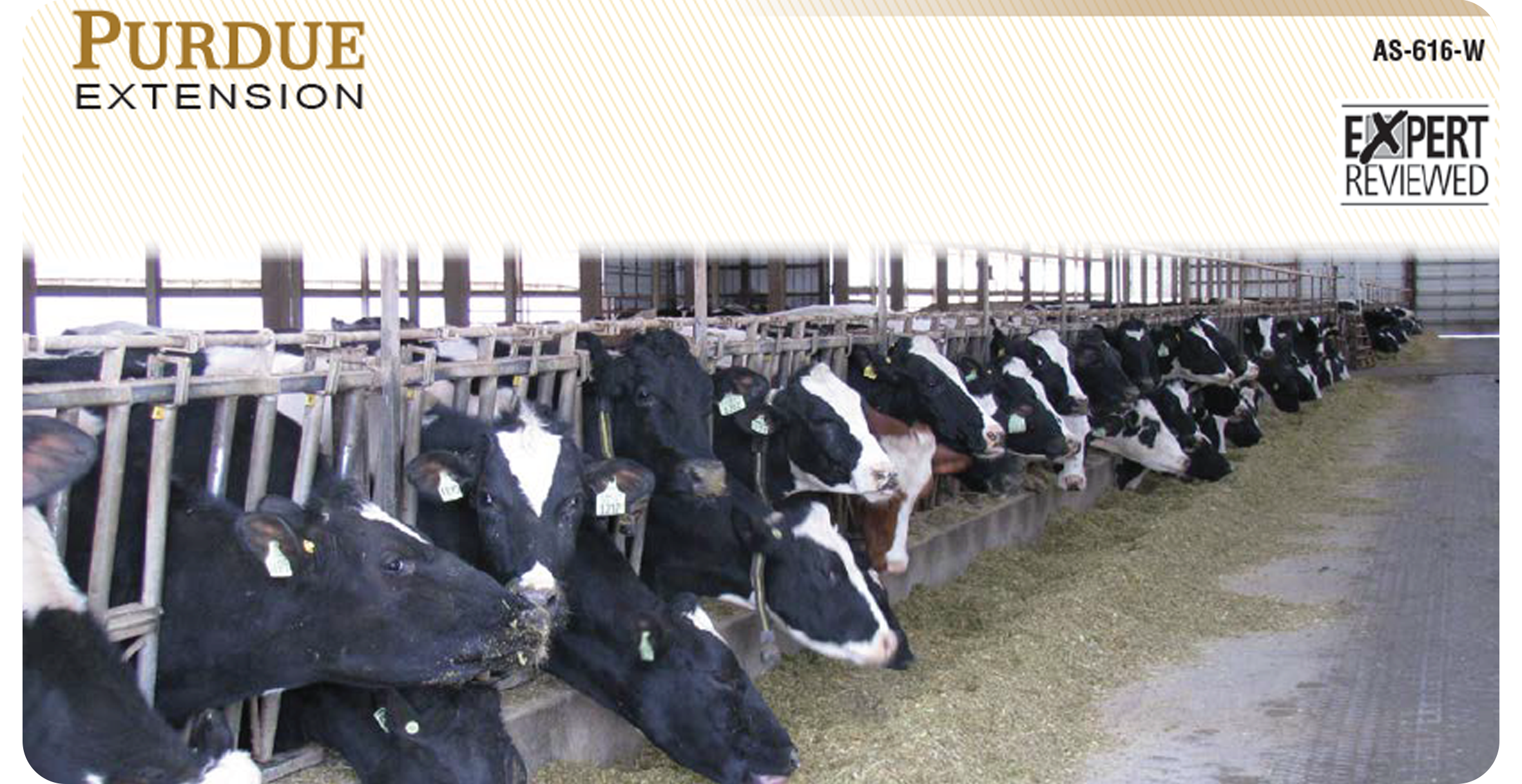
Drought conditions create major challenges for dairy farms, directly affecting forage yield, feed quality, production costs, and ration consistency. Reduced rainfall and high temperatures can significantly lower the availability of quality forage, forcing farmers and nutritionists to rethink feeding strategies to maintain cow health and productivity.
As climate variability becomes more frequent, proactive forage management and precision feeding are becoming essential tools for modern dairy operations.
During drought periods, forage production is often reduced because plants receive insufficient water to properly transport nutrients and support growth.
This can lead to:
However, yield reduction is only part of the problem.
Forage quality can also change dramatically during drought years, and poor-quality forage may negatively affect:
In some situations, feeding low-quality forage may become more expensive than purchasing higher-quality feed due to production losses and health issues.
When forage availability becomes limited, dairy nutritionists may reduce forage inclusion rates while maintaining sufficient fiber levels to support rumen function.
Alternative fiber sources commonly used during drought conditions include:
These byproducts can partially replace forage fiber while helping maintain rumen stability and feeding efficiency.
Nevertheless, cows still require a minimum level of effective fiber, making proper ration balancing critical.
One of the most important recommendations during drought conditions is frequent forage analysis.
Because forage quality can vary significantly during stressful growing conditions, relying on visual evaluation alone is not enough.
Testing forage early allows farmers and nutritionists to:
Experts recommend testing silage before ensiling and continuing periodic analysis during feed-out, especially when using bunker silos, upright silos, or silage bags where variability can be significant.
Modern precision feeding technologies and NIR (Near-Infrared Spectroscopy) analysis systems allow dairy farms to monitor forage quality faster and more frequently than traditional laboratory methods alone.
Real-time feed analysis helps producers:
This becomes especially valuable during drought years, when forage composition can change rapidly and unpredictably.
Managing forage shortages successfully requires a proactive strategy that combines:
Planning ahead gives dairy farms greater flexibility when purchasing feed ingredients and helps reduce the financial impact of drought-related forage shortages.
As feed costs continue to rise and climate variability increases, data-driven feeding management and continuous forage monitoring are becoming key components of profitable and sustainable dairy production.
Read the article: here


 NIR & Imaging
 Data Management
 Mobile Apps
 Load Cells
 Indicators and ECU
 Accessories
 English
 Italian
 Spanish
 French
 German
 Portuguese (Brazil)
 Dutch
Dutch Polish
 Chinese (Simplified)
 Turkish
